

We Treat

What is Gastrointestinal Cancer?
Gastrointestinal cancer, often called “GI cancer,” is a group of cancers that develop anywhere in the digestive system. The most common GI cancer is colorectal cancer, which starts in the colon or rectum. Other types of gastrointestinal cancer include esophageal, stomach (gastric), pancreatic, and liver, as well as less common GI cancers such as small intestine, gallbladder, and bile duct.
Receiving a GI cancer diagnosis can be an overwhelming and emotional experience. It’s important to remember that you’re not alone. The SCRI Oncology Partners team in Nashville will provide you with many resources to help you navigate this journey. We are here to help ease some of the burdens associated with diagnosis and treatment.
Nashville’s Leading Gastrointestinal Cancer Doctors




Types & Symptoms
Risk Factors
Staging
Treatment
Clinical Trials
Common Types of GI Cancers and Symptoms
Colorectal Cancer
Cancers that begin in the colon or rectum are considered colorectal cancer. It is one of the most common types of gastrointestinal cancer and often starts as small growths called polyps that can develop into cancer over time. Many people do not experience symptoms in earlier stages, which is why routine screening is so important starting at age 45. An at-home test may be recommended by your doctor or a colonoscopy, which allows the doctor to see inside the colon and remove any small polyps for testing.
When symptoms do occur, they may include changes in bowel habits, blood in the stool, abdominal discomfort, unexplained weight loss, or ongoing fatigue.
Esophageal Cancer
Esophageal cancer develops in the esophagus, which is the tube that carries food and liquid from your mouth to your stomach. Cancer in the esophagus can cause symptoms like difficulty swallowing, heartburn, chest discomfort, or unintentional weight loss. Some people may not notice symptoms at first, which is why it is important to speak with a physician if symptoms become persistent.
Pancreatic Cancer
Cancer that starts in the pancreas, an organ located behind the stomach that plays a key part in digestion and blood sugar regulation, is known as pancreatic cancer. This type of GI cancer can be difficult to detect early, since symptoms may be vague or develop gradually. There is no routine screening for pancreatic cancer. However, if you have a family history of pancreatic cancer, a new diabetes diagnosis with unexplained weight loss, or you have a BRCA1 or BRCA2 gene mutation, screening may be possible. Talk to your doctor about what’s right for you. Some people experience abdominal pain, appetite changes, nausea, fatigue, or unexplained weight loss. Others may develop jaundice, which can cause yellowing of the skin or eyes.
Stomach Cancer
Stomach cancer, also called gastric cancer, begins in the lining of the stomach. Early symptoms can feel similar to more common digestive issues, such as indigestion, bloating, feeling full quickly, nausea, or heartburn. In some cases, stomach cancer may also lead to appetite changes, blackened stool, or unintentional weight loss.
Liver Cancer
Liver cancer begins in the liver, which is a vital organ that filters toxins, supports digestion, and processes nutrients. Liver cancer may not cause symptoms early on, but some people may notice abdominal pain or swelling, loss of appetite, fatigue, nausea, or unexplained weight loss. In some cases, yellowing of the skin or eyes may occur. Because the liver is a vital organ in overall health, liver cancer care often requires a specialized and coordinated approach.
Less common types of GI cancers & Symptoms
Neuroendocrine Tumors (NETs)
Neuroendocrine tumors, also called NETs, are a rare group of cancers that develop from neuroendocrine cells that help regulate hormones and digestive functions. In the gastrointestinal system, NETs most commonly arise in the stomach, small intestine, appendix, colon, or rectum. These tumors often grow slowly, but some can be more aggressive. Symptoms may vary and can include abdominal pain, diarrhea, flushing, unexplained weight loss, or fatigue. Because NETs can be difficult to detect early and may behave differently from other GI cancers, they often require specialized evaluation and a personalized treatment approach.
Gallbladder cancer occurs when cancer cells form in the gallbladder, a small organ near the liver that stores bile to help with digestion. Biliary tract cancer, also known as cholangiocarcinoma, begins in the bile ducts, which are small tubes that carry bile from the liver to the small intestine. These cancers may cause symptoms such as abdominal pain, nausea, jaundice, or changes in appetite. While they are less common, they still require specialized care and careful evaluation.
Small intestine cancer, also called small bowel cancer, begins in the small intestine, which is the part of the digestive system that helps absorb nutrients from food. Several types of cancer can start in the small intestine, depending on which cells are affected. In some cases, small intestine cancer may develop from growths called polyps that can change over time. Symptoms can include abdominal pain, nausea, changes in bowel habits, fatigue, or unexplained weight loss.
Gastrointestinal stromal tumors, also called GIST, are rare tumors that develop in the wall of the digestive tract. These tumors often begin in specialized cells that help control how the digestive system moves food. GIST most commonly occurs in the stomach or small intestine. Symptoms may include abdominal discomfort, bloating, fatigue, or signs of internal bleeding. Treatment and monitoring depend on the tumor’s size and whether it has spread.
Anal cancer begins in the anal canal, which is the short passage at the end of the rectum where stool leaves the body. Many anal cancers are caused by an HPV infection and start in the cells lining the inside of the anal canal. Symptoms can include pain, bleeding, itching, or changes in bowel habits. Even though anal cancer isn’t as common as other GI cancers, it is treatable. If you’ve been having symptoms that just won’t go away, consulting with a physician to get checked out early is important for earlier detection.
At SCRI Oncology Partners, our team helps patients across Nashville and Middle Tennessee understand their diagnosis and recommends personalized treatment options for their specific type of gastrointestinal cancer. Our GI cancer specialists help provide you with clear answers, compassionate care, and access to advanced treatment options.
How is gastrointestinal cancer diagnosed?
Testing for gastrointestinal (GI) cancer can involve several different procedures, depending on your specific situation. These may include an endoscopy, where a thin tube is gently guided down your throat to look at the esophagus and stomach, a colonoscopy, which involves a similar tube being inserted into your backend to look at the colon and rectum, and possibly a biopsy, which can be performed during either of these procedures.
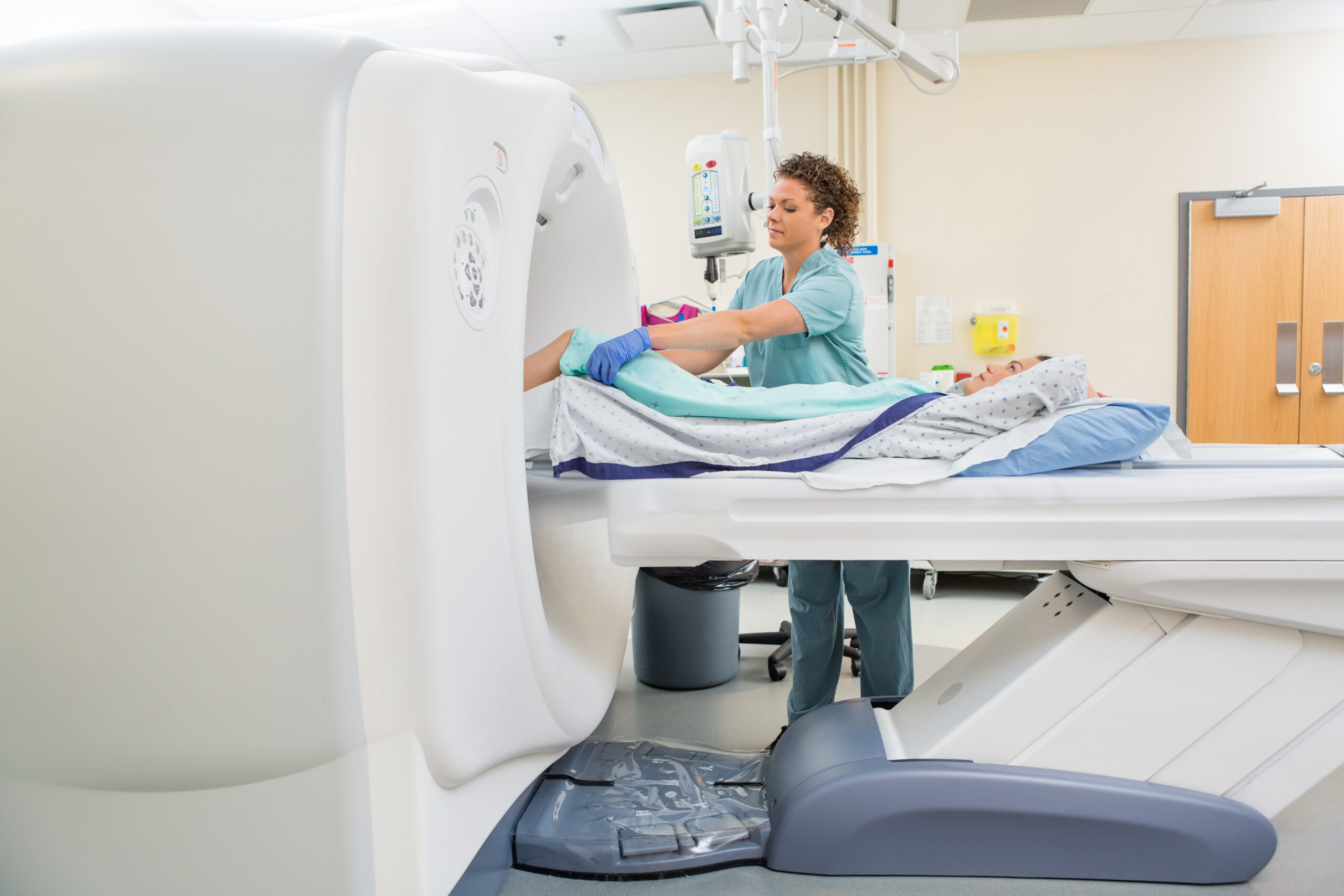
Other tests might include ultrasounds, CT scans or MRIs to provide detailed images of the area, stool sample tests, and blood tests. If test results show the presence of cancer you will meet with an oncologist who will recommend a treatment plan and next steps.

Risk Factors For Developing Gastrointestinal Cancer
Lynch Syndrome and Familial Adenomatous Polyposis (FAP) are inherited genetic syndromes that increase your risk of developing cancer.
There are also some lifestyle choices that can lead to the development of a GI cancer. People who are overweight, eat a diet of highly processed foods and sugar, smoke, and/or drink excessive alcohol are at a higher risk.
Your age, gender, and ethnicity also play a role. Men over age 50 are more likely to be diagnosed. Ethnicity can also play a factor, as gastrointestinal cancer diagnoses are more commonly found in Hispanic Americans, African Americans, Native Americans, Asian Americans, and Pacific Islanders than in non-Hispanic or White people here in the United States.
Risk factors don’t mean you will definitely develop a GI cancer. And at the same time, people are diagnosed with GI cancer who have no risk factors. However, if you’re at elevated risk, be sure to visit your doctor regularly and discuss screening and any possible symptoms.

Staging Gastrointestinal Cancers
Generally, the stage of cancer can be categorized into the following stages:

Stage 0
Stage 0
Also known as pre-cancerous or “in-situ”, refers to cells that appear abnormal and are not currently cancerous; however they have the potential to become cancerous in the future.

Stage II
Stage II
The tumor has grown deeper into the area where it started. It may start to impact nearby lymph nodes, but has not spread to other areas of the body.

Stage IV
Stage IV
A cancer that has grown to the lymph nodes and spread, also called metastasized, to other organs and areas throughout the body.

Stage I
Stage 1
A small, largely isolated cancer that is contained to the organ or area it was originally found.

Stage III
Stage III
A cancer that has continued to grow and is now starting to spread to nearby areas of the body, such as surrounding tissues and lymph nodes.
Stage 0
Stage 0
Also known as pre-cancerous or “in-situ”, refers to cells that appear abnormal and are not currently cancerous; however they have the potential to become cancerous in the future.
Stage I
Stage 1
A small, largely isolated cancer that is contained to the organ or area it was originally found.
Stage II
Stage II
The tumor has grown deeper into the area where it started. It may start to impact nearby lymph nodes, but has not spread to other areas of the body.
Stage III
Stage III
A cancer that has continued to grow and is now starting to spread to nearby areas of the body, such as surrounding tissues and lymph nodes.
Stage IV
Stage IV
A cancer that has grown to the lymph nodes and spread, also called metastasized, to other organs and areas throughout the body.
How Can Gastrointestinal Cancer Be Treated?
For gastrointestinal cancers, treatment often involves a combination of surgery, chemotherapy, targeted therapy, and possibly radiation therapy. Surgery might be necessary to remove small parts or entire sections of your GI tract to eliminate the cancerous area and prevent it from spreading. After surgery, if needed, chemotherapy and radiation can help target any remaining cancer cells in nearby areas. Additionally, treatments like targeted therapy and immunotherapy are available and can be considered if further intervention is necessary.
Our oncologists create personalized treatment plans for patients with GI cancers in Middle Tennessee, setting you on your path to recovery. We’re here to support you every step of the way.

Gastrointestinal Cancer Clinical Trials
If you are looking for a local oncologist in Nashville, Tennessee and are interested in participating in a clinical trial for gastrointestinal cancer through our collaboration with Sarah Cannon Research Institute (SCRI), a global leader in oncology research, the first step is to talk to our healthcare team.
Gastrointestinal cancer clinical trials
Today’s clinical trials are tomorrow’s treatment options. A clinical trial can help determine if a treatment, drug or procedure shows a better way of treating a particular cancer or condition. At SCRI Oncology Partners we are committed to offering the latest clinical trials to improve your outcomes and ensure access to cutting-edge scientific advancements for our patients in the community.
If you are looking for a local oncologist in Nashville, Tennessee and are interested in participating in a clinical trial for gastrointestinal cancer through our collaboration with Sarah Cannon Research Institute (SCRI), a global leader in oncology research, the first step is to talk to our healthcare team.
Discover More Gastrointestinal Cancer Resources

Colorectal Cancer is Increasing in Young Adults: What You Need to Know
Colorectal cancer is becoming a growing concern for adults under the age of 55. It is the third most commonly diagnosed cancer in the United States, with an estimated 1 in 25 Americans developing the disease in their lifetime.

Colorectal Cancer Prevention – 5 Tips Everyone Should Know
While US colorectal cancer rates have been declining since the mid-80s, incidence rates in adults younger than 50 have been on the rise. In fact, according to a 2017 American Cancer Society (ACS) study, rates have steadily increased in age groups starting as young as...
We’re here when you need us
If you were recently diagnosed or would like a second opinion, request an appointment with one of our experienced cancer doctors right here in Nashville.
We’re here when you need us
If you were recently diagnosed or would like a second opinion, request an appointment with one of our experienced cancer doctors right here in Nashville.
We’re here when you need us
If you were recently diagnosed or would like a second opinion, request an appointment with one of our experienced cancer doctors right here in Nashville.