

We Treat

Non-Hodgkin Lymphoma
Non-Hodgkin lymphoma (NHL) refers to a grouping of blood cancers that originate from lymphocytes, a specialized type of white blood cell. Lymphomas often involve the lymphatic system, which helps fight infection and disease and can present in lymph nodes, but can also involve lymphatic tissue in other areas of the body, such as the stomach, intestines, and skin, or be detectable in the blood, or the bone marrow, the organ where all blood cells are made.
At SCRI Oncology Partners, our team of hematology and oncology specialists provides comprehensive care for people diagnosed with one of the many types of non-Hodgkin lymphoma. We offer advanced treatment options, access to clinical trials, and tailor every care plan to the individual, with the goal of achieving the best possible outcomes.
Meet Our Lymphoma Doctors



What are the signs and symptoms of non-Hodgkin lymphoma?
Depending on the type of lymphoma, different symptoms can appear. The most common symptoms include:
- Painless swelling of lymph nodes in the neck, armpits, or groin that doesn’t go away or is not related to an infection, such as a cold or other condition
- Unexplained fatigue, often described as debilitating
- Fever without an obvious cause (such as a viral infection)
- Night sweats are not associated with menopause
- Shortness of breath
- Unintended weight loss
- Itchy skin
- Unusual bleeding or bruising
While these symptoms do not necessarily mean cancer, they shouldn’t be ignored. Detecting non-Hodgkin lymphoma early can make a big difference in treatment options and the treatment experience. If you have unusual symptoms that persist, it’s always worth scheduling an appointment with your primary care physician.
Types of NHL
Staging
Treatment
Clinical Trials
How is non-Hodgkin lymphoma diagnosed?
If your symptoms and blood tests raise concern for your physician, you will consult with a hematologist/oncologist, who specializes in blood conditions, including blood cancers.
To determine whether lymphoma is present, the hematologist/oncologist may evaluate your medical history and use:
- A physical exam to check for enlarged lymph nodes and other signs of the disease
- Blood tests to evaluate organ function, blood cell counts, and overall health
- Imaging tests such as ultrasound, CT, PET, or MRI scans to look for possible causes for your symptoms
If these evaluations suggest lymphoma could be a concern, a biopsy may be needed to establish a diagnosis. This may involve removing all or part of a lymph node so it can be examined in a lab. In some circumstances, a bone marrow biopsy sample may also be needed or used to establish a diagnosis of NHL. A biopsy helps confirm whether lymphoma is present and helps identify the specific types of NHL present.
If you were recently diagnosed with lymphoma, our specialists are available to provide you with a recommended treatment plan. We can also provide a second opinion on a diagnosis and treatment plan.

Non-Hodgkin lymphoma subtypes
Lymphomas are cancers of lymphocytes, a type of white blood cell that helps the body fight infections. There are many subtypes of non-Hodgkin lymphoma with differing symptoms, outcomes, and treatments. Most non-Hodgkin lymphomas start in B cells (about 90%), while others begin in T cells (about 10%) or, rarely, natural killer (NK) cells. Because there are many different types of lymphomas, we recommend that patients consult with a hematologist/oncologist who is experienced in the diagnosis and management of lymphomas.
Non-Hodgkin lymphomas are often classified by growth rate:
- Indolent (slow-growing) lymphomas
- Aggressive (fast-growing) lymphomas
Common indolent types include:
- Follicular lymphoma
- Chronic lymphocytic leukemia/small-cell lymphocytic lymphoma (CLL/SLL)
- Marginal zone B-cell lymphoma
- Waldenström macroglobulinemia (lymphoplasmacytic lymphoma)
- Hairy cell leukemia
- Cutaneous B-cell lymphoma
- Cutaneous T-cell lymphoma (mycosis fungoides and Sézary syndrome)
- Lymphomatoid granulomatosis
Common aggressive types include:
- Diffuse large B-cell lymphoma (DLBCL)
- Anaplastic large-cell lymphoma
- Mantle cell lymphoma (MCL)
- Acquired immune deficiency syndrome (AIDS)-associated lymphoma
- Burkitt lymphoma
- Peripheral T-cell lymphoma (PTCL)
- Central nervous system (CNS) lymphoma
- Lymphoblastic lymphoma
Sometimes, non-Hodgkin lymphoma begins in the skin. This is called cutaneous lymphoma, with cutaneous T-cell lymphoma (CTCL) being the most common type.

Staging lymphoma
After diagnosis, your hematologist will determine where the lymphoma is present at diagnosis. This process is called staging. It helps guide treatment decisions and gives insight into how the disease may respond to different types of treatments.
Lymphomas are often staged by the Ann Arbor classification system, which stages lymphoma from I to IV. Limited stage (I or II) lymphomas that affect an organ outside the lymph system (an extranodal organ) have an E added (for example, stage IIE).
Stage I
One of the following conditions applies:
- The lymphoma is found in one lymph node region (such as in the neck or underarm).
- The lymphoma has invaded one extra lymphatic organ or site (identified as stage IE) but not any additional lymph node regions.
Stage II
One of the following conditions applies:
- The lymphoma is found in two or more lymph node regions on the same side of (either above or below) the diaphragm.
- The lymphoma involves one organ and its regional lymph nodes, with or without cancer, in other lymph node regions on the same side of the diaphragm (stage IIE).
Stage III
One of the following conditions applies:
- The lymphoma is present in lymph node areas on both sides of the diaphragm.
- The lymphoma is located in the lymph nodes above the diaphragm and in the spleen. (stage IIIE)
Stage IV
Lymphoma cells are found in multiple parts of one or more organs or tissues (in addition to the lymph nodes), including places like the liver, blood, or bone marrow.
How is non-Hodgkin lymphoma treated?
If you’re diagnosed with non-Hodgkin lymphoma, your cancer care team at SCRI Oncology Partners will create a personalized treatment plan based on your subtype and stage.
Chemotherapy
Chemotherapy uses anti-cancer drugs that travel through the bloodstream to target cancer cells. Because lymphoma cells are often present in multiple parts of the body at diagnosis, a systemic treatment such as this is needed. A common regimen is R-CHOP, which combines several chemotherapy drugs with an immunotherapy drug.
Immunotherapy for lymphoma
Immunotherapy helps your immune system identify and attack lymphoma cells. Options include monoclonal antibodies, bispecific antibodies, immune checkpoint inhibitors, immunomodulating drugs, and chimeric antigen receptor (CAR) T-cell therapy. These therapies help to boost, target, or restore the body’s natural defenses against cancer.
Targeted therapy drugs
These medications target specific changes inside cancer cells that are needed for the lymphoma to grow. Examples of targeted therapies include proteasome inhibitors, HDAC inhibitors, BTK inhibitors, PI3K inhibitors, EZH2 inhibitors, and nuclear export inhibitors. These medicines often offer a better balance between how well they work and the frequency of side effects, given that they are highly targeted.
Stem cell or Bone marrow transplant
Your hematologic oncologist may suggest a stem cell or bone marrow transplant as part of your care. This procedure involves high-dose chemotherapy treatment to effectively eliminate residual lymphoma, followed by a transplant of blood-forming stem cells in the bone marrow. The transplanted cells can come from either your own body (autologous transplantation) or a donor (allogeneic transplantation).
Radiation therapy
Lymphoma is not commonly treated with radiation therapy because this type of cancer is found throughout the body. However, sometimes a tumor develops in a specific area of the body where radiation can be directed to shrink it or help alleviate symptoms caused by the lymphoma.
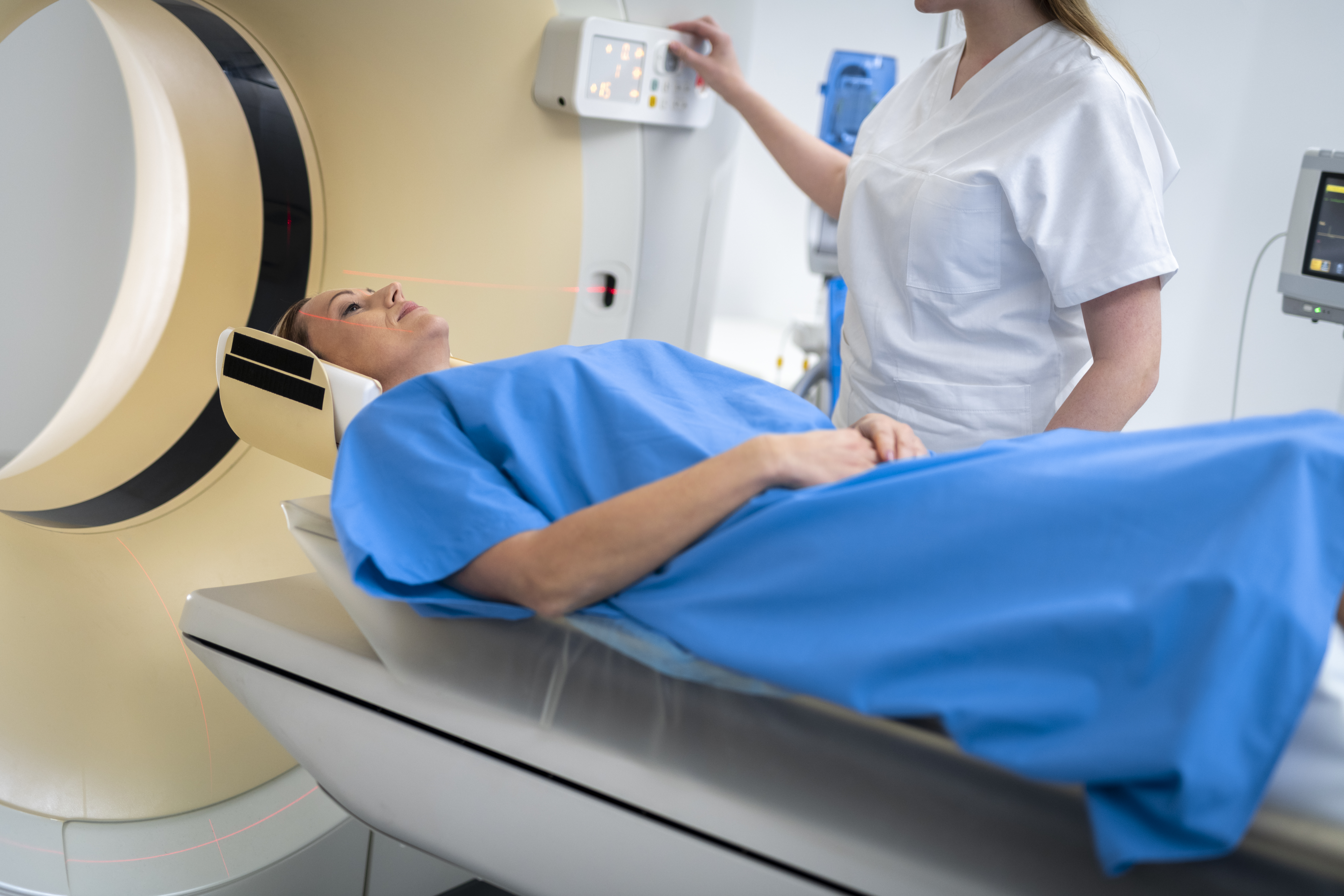

Non-Hodgkin lymphoma clinical trials in Nashville
Clinical trials help advance cancer care and can provide access to promising new therapies. At SCRI Oncology Partners, we bring the most emerging lymphoma clinical trials to our patients in Nashville and throughout Middle Tennessee. Our patients are given the option to participate in clinical trials through our partnership with the Sarah Cannon Research Institute. Our team will discuss any available trials with you and the expected treatment process so you can decide if you would like to participate.
We’re here when you need us
If you were recently diagnosed or would like a second opinion, request an appointment with one of our experienced cancer doctors right here in Nashville.
We’re here when you need us
If you were recently diagnosed or would like a second opinion, request an appointment with one of our experienced cancer doctors right here in Nashville.
We’re here when you need us
If you were recently diagnosed or would like a second opinion, request an appointment with one of our experienced cancer doctors right here in Nashville.